
Christmas Shipping Scams: Stop Fake Delivery Texts and Verify Your Package
Author: Adam Collins
In a Nutshell
- Never click links in delivery texts
- Type the carrier’s official website yourself
- Manually verify tracking number details on the real site
- If unsure, search the sender or caller ID using our app
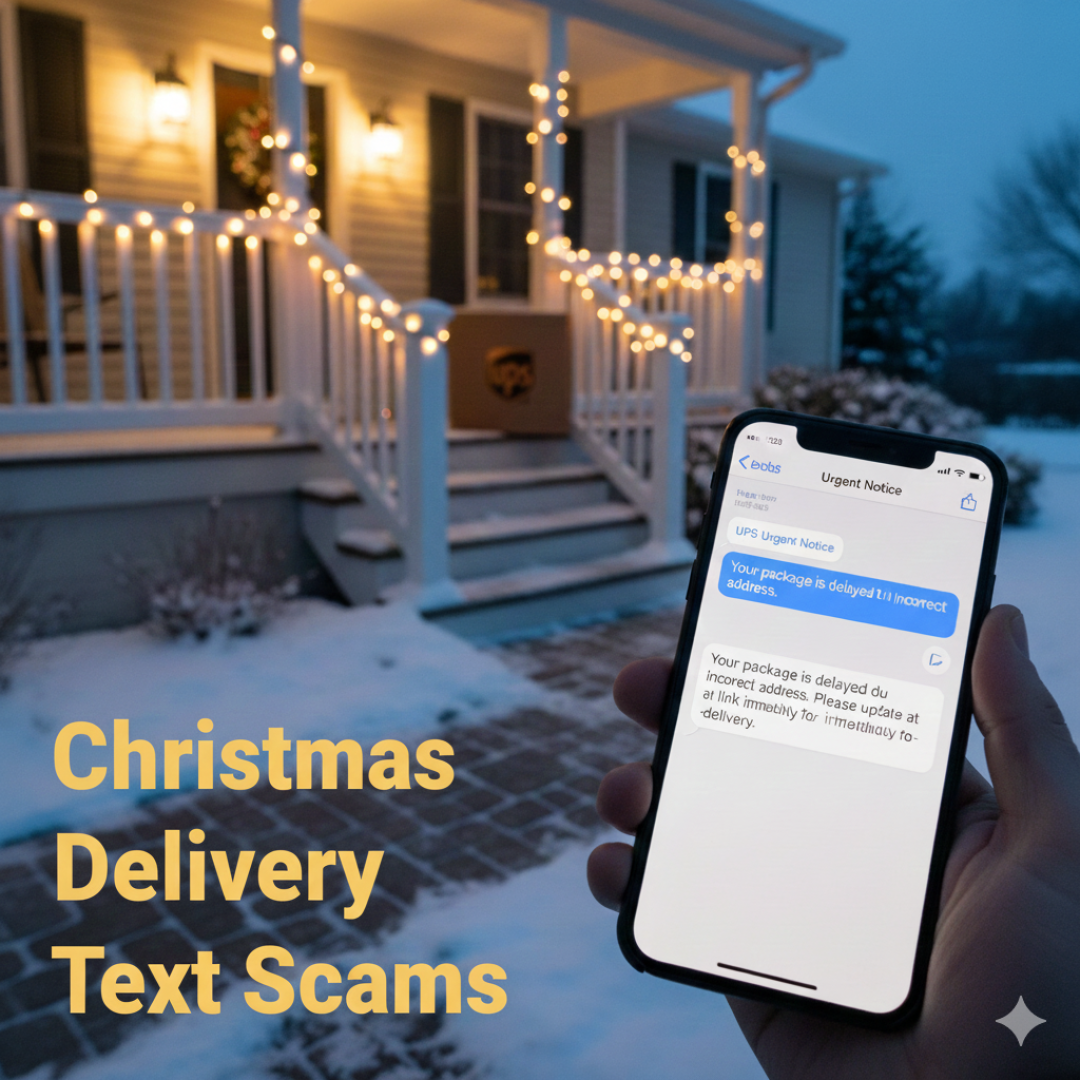
Every holiday season, Christmas shipping scams surge — and the biggest danger isn’t fake websites you stumble across. It’s smishing, also known as SMS or text phishing, and it's how scammers bypass your spam filters with highly realistic texts. One convincing message about a delayed package is often enough to make even careful shoppers click without thinking. That single click can lead to stolen passwords, card details, or malware on your phone.
The good news is that avoiding holiday delivery scams doesn’t require special tools or technical skills. It just requires a simple habit change. This guide shows you exactly what to do instead of clicking that message, using a clear verification protocol you can rely on all season long.
The 3 Top Smishing Delivery Scams to Watch For
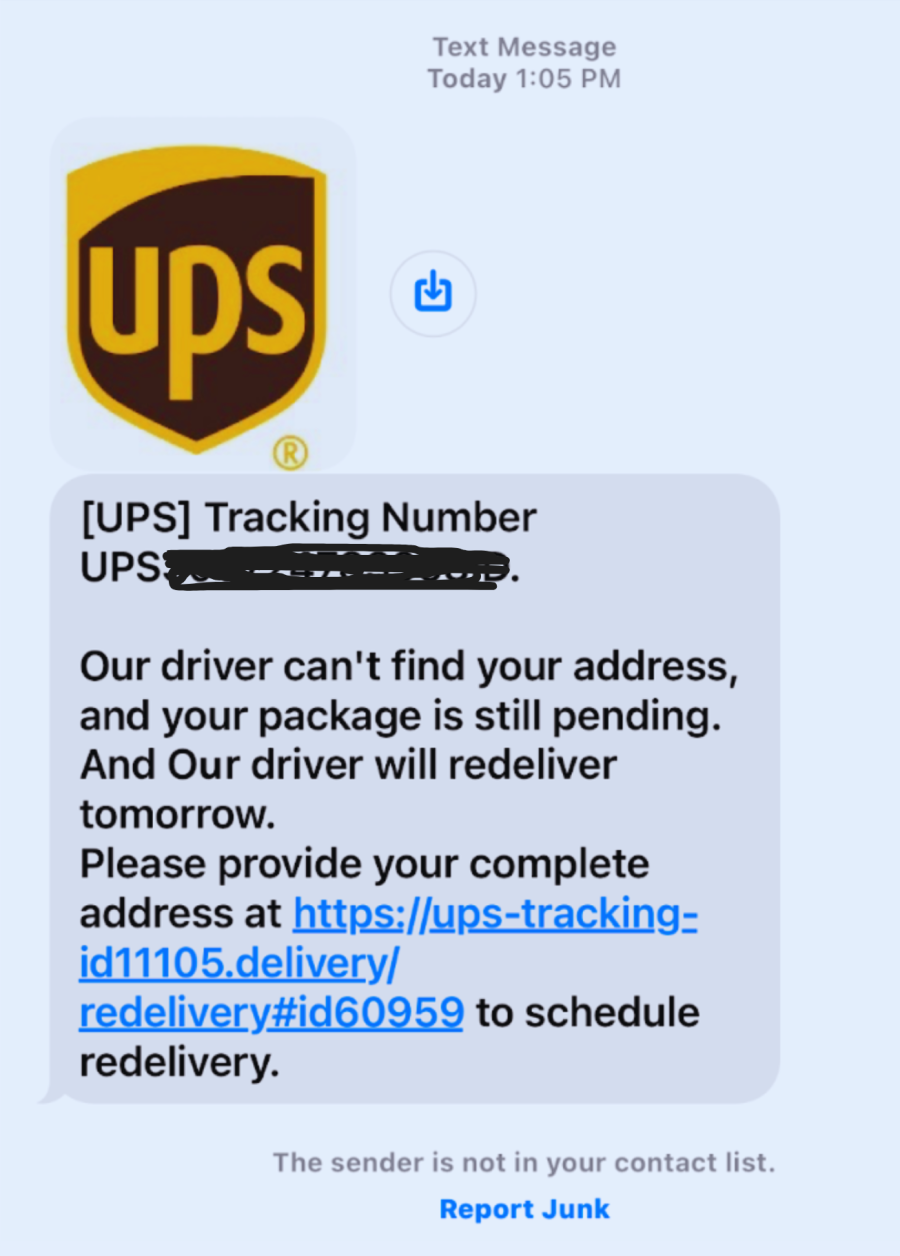
The most common fake delivery text claims your package couldn’t be delivered and asks you to reschedule. These messages often look urgent and include a shortened link. They work because during November and December, almost everyone is expecting something. Real delivery companies don’t fix failed deliveries through random text links.
Another popular trick is the unexpected fee scam. You’ll receive a message asking you to pay a small amount for customs clearance or re-delivery. This is a classic package tracking scam. Legitimate carriers do not request surprise payments through SMS, especially not small “test” charges.
Then there’s the fake order confirmation. These messages claim you ordered something expensive and urge you to click “cancel” immediately. The goal isn’t customer service — it’s panic. Once clicked, these holiday delivery scams can harvest login details or install malicious software.
The Golden Rule: Your 3-Step Verification Protocol
This protocol replaces clicking links entirely and is the most effective way to stop Christmas shipping scams.
Step one is simple but critical: do not click the link. Even opening it can expose your phone to malware or redirect you to a convincing fake page designed to steal your details. If a message pressures you to act fast, that’s already a warning sign.
Step two is to find the official site yourself. Open your browser or the carrier’s official app and manually type the address. Whether it’s UPS, FedEx, USPS, or DHL, the key is that you control how you get there. This single habit blocks most fake delivery text attacks instantly.
Step three is to manually verify tracking number details. Copy the tracking number from the suspicious message and paste it only into the official carrier’s tracking page. If the number doesn’t exist, doesn’t match your order, or shows no record at all, the message is a scam. This method answers the question many people ask online: how to spot a fake UPS or FedEx text message. The answer is simple — real tracking numbers work on real websites.
What to Do If You Clicked a Suspicious Delivery Link
If you’re worried because you already clicked, don’t panic — act quickly. If you entered a password, change it immediately and update it anywhere else you reused it. If you entered payment details, contact your bank or card provider right away so they can monitor or block fraudulent charges.
You should also report the message by forwarding the text to 7726 and filing a report with the FTC. Finally, look up the sender using our app. Being able to see whether others have flagged that number is one of the fastest ways to confirm a package tracking scam before more damage is done.

Verify your Christmas packages instantly with ScamAdviser's App here
FAQs: Christmas Shipping Scams Explained
How to spot a fake UPS or FedEx text message?
Urgent language, shortened links, and requests to confirm personal details are the biggest red flags. Real carriers don’t pressure you through SMS links.
What are the red flags for holiday package notification scams?
Unexpected messages, generic greetings, mismatched tracking details, and payment requests are common signs of holiday delivery scams.
What to do if you clicked a suspicious delivery link?
Change passwords immediately, contact your bank if payment details were entered, and report the scam. Then search the sender using our app.
How can I safely verify tracking number information?
Always type the carrier’s official site yourself and paste the number into their tracking page. Never trust links in a fake delivery text.
Bottom Line: Watch Out for Christmas Delivery Text
Christmas shipping scams rely on urgency and distraction. Slow down, follow the verification protocol, and never click delivery links. When something feels off, search the sender or caller ID using our app before taking action. A few seconds of checking can save you weeks of holiday stress.
Report a Scam!

Have you fallen for a hoax, bought a fake product? Report the site and warn others!
Scam Categories
Help & Info
Top Safety Picks
Your Go-To Tools for Online Safety
- ScamAdviser App - iOS : Your personal scam detector, on the go! Check website safety, report scams, and get instant alerts. Available on iOS
- ScamAdviser App - Android : Your personal scam detector, on the go! Check website safety, report scams, and get instant alerts. Available on Android.
- NordVPN : NordVPN keeps your connection private and secure whether you are at home, traveling, or streaming from another country. It protects your data, blocks unwanted ads and trackers, and helps you access your paid subscriptions anywhere. Try it Today!
Popular Stories
As the influence of the internet rises, so does the prevalence of online scams. There are fraudsters making all kinds of claims to trap victims online - from fake investment opportunities to online stores - and the internet allows them to operate from any part of the world with anonymity. The ability to spot online scams is an important skill to have as the virtual world is increasingly becoming a part of every facet of our lives. The below tips will help you identify the signs which can indicate that a website could be a scam. Common Sense: Too Good To Be True When looking for goods online, a great deal can be very enticing. A Gucci bag or a new iPhone for half the price? Who wouldn’t want to grab such a deal? Scammers know this too and try to take advantage of the fact. If an online deal looks too good to be true, think twice and double-check things. The easiest way to do this is to simply check out the same product at competing websites (that you trust). If the difference in prices is huge, it might be better to double-check the rest of the website. Check Out the Social Media Links Social media is a core part of ecommerce businesses these days and consumers often expect online shops to have a social media presence. Scammers know this and often insert logos of social media sites on their websites. Scratching beneath the surface often reveals this fu
Disclaimer: This article was originally published in 2018 and has been updated in October 2025 to reflect more current information, resources, and advice. Scams and recovery options continue to evolve, so always double-check with your bank, payment provider, or local consumer protection authority for the latest guidance. So the worst has come to pass - you realise you parted with your money too fast, and the site you used was a scam - what now? Well first of all, don’t despair!! If you think you have been scammed, the first port of call when having an issue is to simply ask for a refund. This is the first and easiest step to determine whether you are dealing with a genuine company or scammers. Sadly, getting your money back from a scammer is not as simple as just asking. If you are indeed dealing with scammers, the procedure (and chance) of getting your money back varies depending on the payment method you used. PayPal Debit card/Credit card Bank transfer Wire transfer Google Pay Bitcoin PayPal Good news: PayPal gives you strong protection. You can file a dispute within 180 days of your purchase. You can get a refund if: Your order never arrives, and the seller cannot provide proof of delivery. The scammer sends you something completely different (e.g., a controller instead of a PlayStation). The product condition was misrepresented (sold as new but arrives used). The item is missing undisclosed parts. The item is counterfeit. Start your claim directly through Pay